
Is Tenerife safe? What visitors should know
Updated 29 October 2026 · DoTenerife
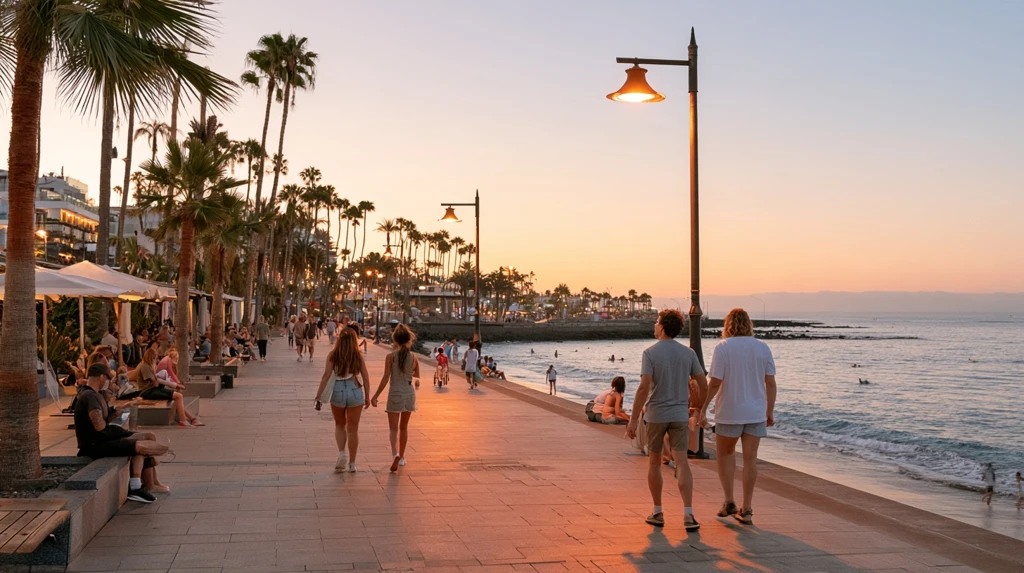
Tenerife is a safe place for a holiday, with low rates of violent crime, a visible police presence in the resorts and well-run tourist areas. The risks most visitors actually face are petty theft, nightlife scams, strong Atlantic currents, sunburn and accidents on mountain trails, and nearly all of them are avoidable with a bit of common sense.
Here is an honest look at what to watch for and how to stay safe.
Crime: what to expect
Tenerife’s crime problems are mostly opportunistic. The most common issues reported by visitors are:
- Pickpocketing and bag snatching in crowded places such as markets, bus stations and busy promenades.
- Thefts from hire cars, particularly at viewpoints, trailheads and beach car parks.
- Items stolen from beaches while people are swimming.
- Distraction tricks, such as someone offering a sprig of flowers or asking you to sign a petition while an accomplice targets your bag.
To reduce the risk:
- Keep phones and wallets in front pockets or a zipped bag.
- Use the hotel safe for passports and spare cash.
- Never leave anything visible in a parked car.
- Take only what you need to the beach.
Nightlife safety
The south’s nightlife areas, especially the Veronicas strip and Starco in Playa de las Américas, are busy and generally well policed, but they attract the usual late-night problems found in any big resort.
- Touts: PRs on the street hand out flyers and drinks deals. Most are harmless, but some bars use aggressive tactics or inflated bills. Check prices before ordering.
- Drinks: don’t leave yours unattended, and don’t accept drinks from strangers.
- Street sellers and “friendly” strangers: be cautious of anyone who becomes overly familiar late at night, as this is a common prelude to theft.
- Getting home: use licensed taxis from ranks rather than accepting lifts.
Our Tenerife nightlife guide and Veronicas strip guide have more on where to go. If you prefer a calmer evening, many visitors head to a tribute show or comedy night instead.
Timeshare and holiday club touts
Approaches by people offering scratchcards, free gifts or “surveys” that lead to a presentation are less common than they used to be, but they still happen. If someone tells you that you have won a prize, politely decline and keep walking. Never sign anything or hand over card details on the spot.
The sea
The Atlantic is the biggest natural risk in Tenerife. Currents and waves can be powerful, especially on the north coast and wilder west-facing beaches.
- Swim at lifeguarded beaches and follow the flags: green is safe, yellow means caution, red means no swimming.
- Be careful on rocks and natural pools, where waves can sweep in unexpectedly.
- Southern beaches such as Playa de las Vistas and Playa del Duque are usually calmer, but conditions can still change.
See Tenerife beaches and sea temperatures for more.
Sun and heat
Tenerife’s sun is strong all year round. Sunburn and heat exhaustion are among the most common reasons visitors see a doctor. Wear high-factor sunscreen, a hat and sunglasses, drink plenty of water, and take care in the middle of the day, even in winter.
Mountains and hiking
Mount Teide and the island’s gorges are spectacular but demanding.
- Altitude on Teide can cause headaches and breathlessness.
- Weather can change quickly, and temperatures at the summit can be near freezing.
- Stick to marked trails, carry water and tell someone your route.
- Some trails require permits or booked access, including the Teide summit path and the Masca gorge.
Read our Mount Teide guide and Masca guide before you go.
Roads
Mountain roads are narrow and winding, and Spanish drink-driving limits are stricter than some visitors expect. Our car hire and driving guide covers the rules.
Health and emergencies
- Emergency number: 112 for police, ambulance and fire.
- Medical care: public hospitals and health centres, plus private clinics in the main resorts. See Tenerife hospitals and pharmacies.
- Travel insurance with medical cover is strongly recommended for every visitor.
- Tap water is treated, though many people prefer bottled; see Tenerife tap water.
Official travel advice
Your government’s travel advice pages are the best source for official, up-to-date information. Check them before you go, especially if you are travelling during a major event such as Carnival.
The bottom line
Tenerife is a relaxed, welcoming island where millions of people holiday every year without problems. Keep your valuables close, respect the sea and the sun, plan your journey home after a night out, and you’ll be fine.
Frequently asked questions
Is Tenerife safe for tourists?
Yes. Tenerife is generally a safe holiday destination with low levels of violent crime. The most common problems are petty theft, nightlife scams and accidents in the sea or on mountain trails.
Is Playa de las Américas safe at night?
Generally yes, but it is the island's busiest nightlife area, so take normal precautions. Keep valuables secure, watch your drink, avoid pushy touts and use licensed taxis to get home.
Is it safe to swim in the sea in Tenerife?
On lifeguarded beaches in calm conditions, yes. Atlantic currents can be strong, especially on the north and west coasts, so always check the flag and never swim on a red flag.
Is Tenerife safe for solo female travellers?
Many women travel solo to Tenerife without problems. Use the same precautions you would in any busy resort: keep an eye on your drink, stick to well-lit areas at night and use licensed taxis.
What number do I call in an emergency in Tenerife?
Call 112. It is free, works from any phone and connects you to police, ambulance and fire services, with English-speaking operators available.